18052739825
免费咨询热线
18052739825Disinfection tableware factories generate a large amount of wastewater during production processes such as cleaning, disinfection, and drying. This type of wastewater is rich in pollutants such as food residues, oils, detergents, and disinfection residues. If directly discharged, it can easily cause environmental problems such as eutrophication of water bodies and pipeline blockages. As the core facility for disinfection tableware factories to achieve environmental standards and ensure production compliance, sewage treatment equipment directly affects the sustainable operation of enterprises and is a key link between clean production and ecological protection.
Pre treatment equipment is the "first checkpoint" in the wastewater treatment of disinfection tableware factories, with the core function of removing coarse impurities and floating oil from the wastewater and reducing the subsequent treatment load. The grid machine intercepts large solid impurities such as chopsticks, tissues, and food residues in the sewage through the gap between the grid bars, to prevent them from entering the subsequent pipelines and causing blockages; The sedimentation tank uses gravity to separate high-density particles such as sand particles from the wastewater, preventing equipment wear and tear. For the high content of oil in sewage, oil separation equipment is the key - by using principles such as gravity separation and air flotation, floating oil is separated from sewage, and the separated waste oil can also be recycled as a resource, achieving the goal of "turning waste into treasure".
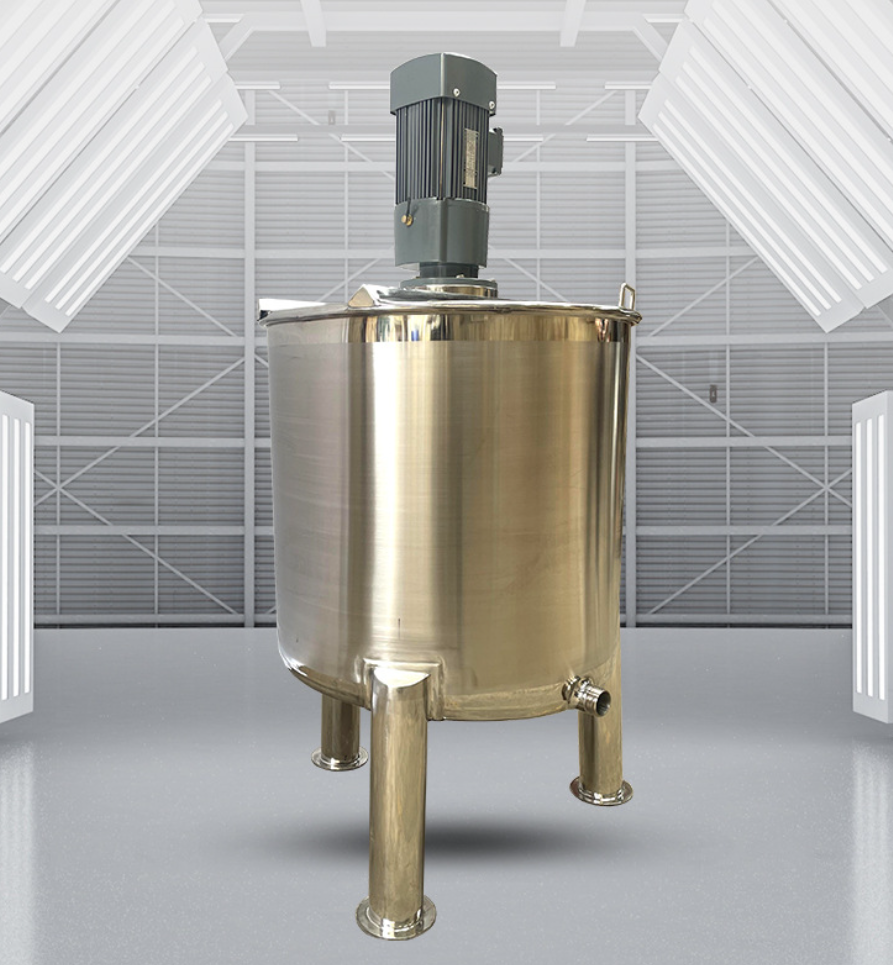
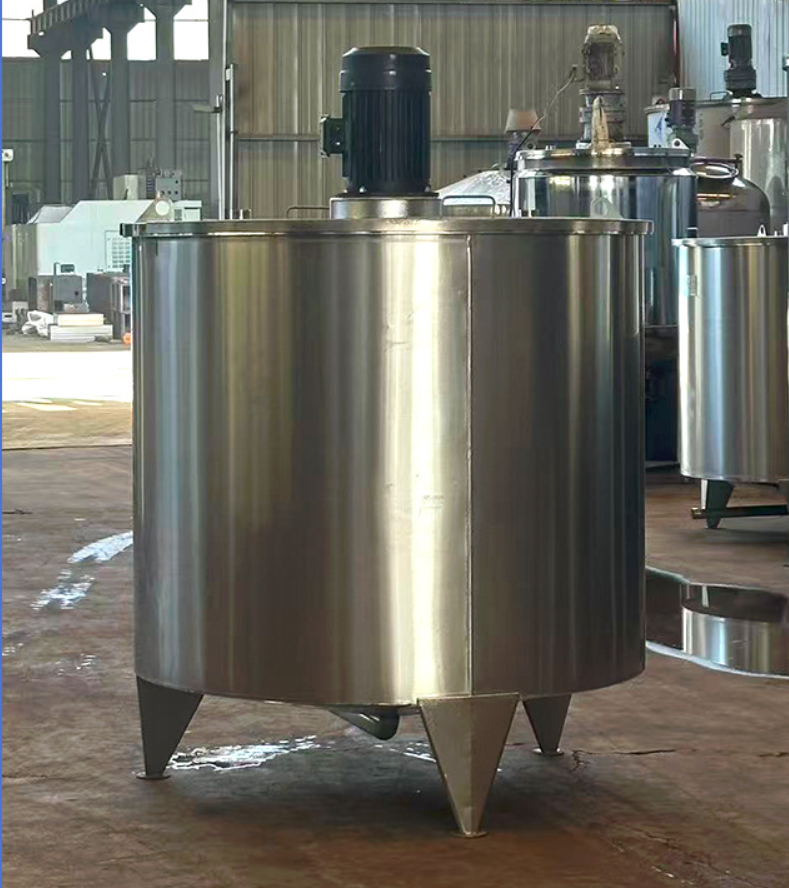
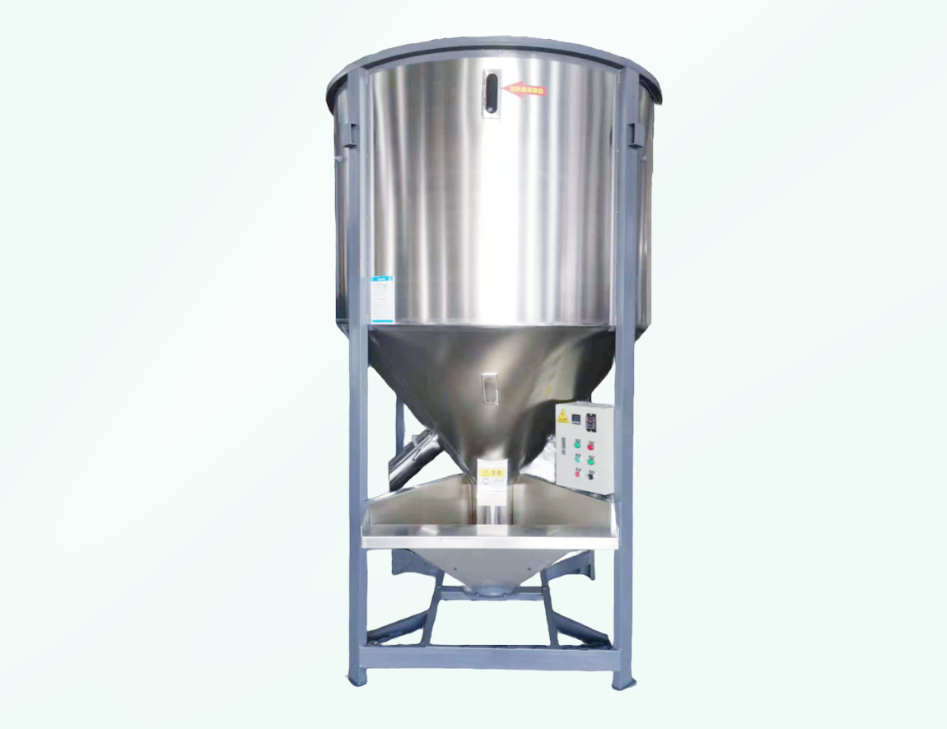
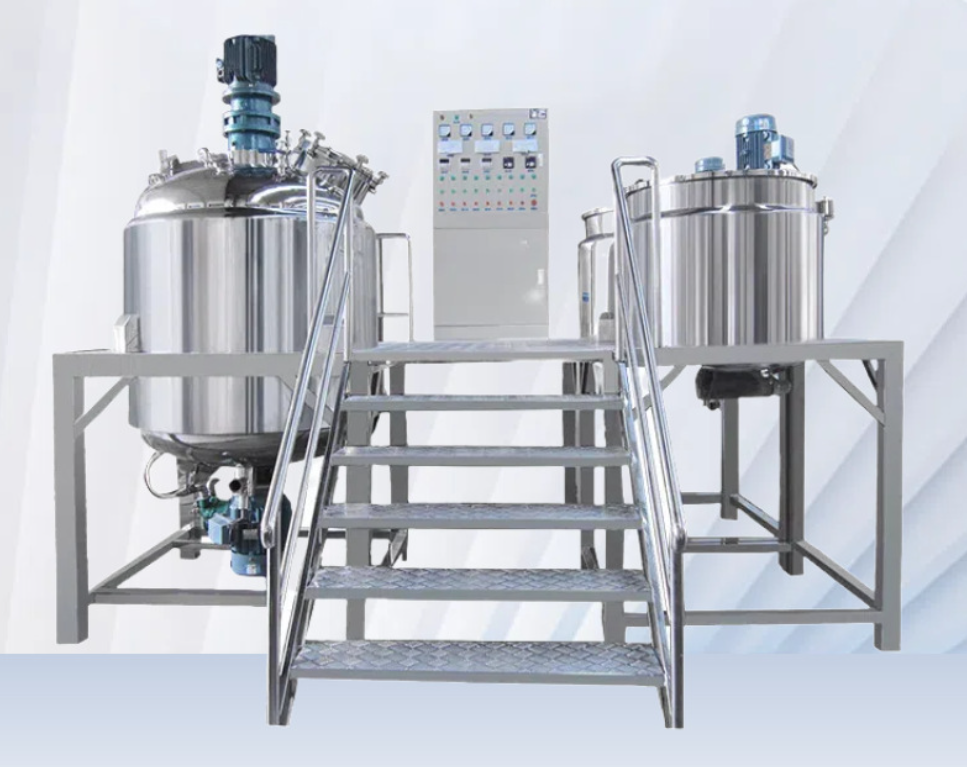
Disinfect tableware factory wastewater treatment equipment
The core processing equipment is the "core engine" for achieving sewage purification standards, mainly targeting dissolved pollutants such as organic matter and detergents in sewage. The biodegradability of wastewater from disinfection tableware factories is strong, and biological treatment equipment has become the mainstream choice, among which activated sludge method and biological contact oxidation method are the most widely used. A large number of microbial communities are attached to the surface of the carrier filled in the biological contact oxidation tank. Under the condition of oxygen provided by the aeration equipment, microorganisms metabolize organic matter in the sewage into harmless carbon dioxide and water, effectively reducing the chemical oxygen demand (COD) and biochemical oxygen demand (BOD) of the sewage. For wastewater with high detergent content, coagulation reaction equipment can also be used to add coagulants to coagulate and precipitate colloidal pollutants, further improving treatment efficiency.
Advanced treatment and disinfection equipment are the "last line of defense" to ensure effluent quality and prevent secondary pollution. Although most pollutants have been removed from the wastewater that has undergone core treatment, trace amounts of organic matter and microorganisms may still remain, requiring further purification through advanced treatment. Filtering equipment such as quartz sand filters and activated carbon filters can intercept suspended solids and colloidal impurities in water, while reverse osmosis equipment can achieve deep purification of water quality. The regenerated water produced can be reused for initial washing of tableware, floor flushing, and other processes, building a water-saving circulation system. Considering the special hygiene requirements of the tableware industry, sewage must undergo disinfection treatment before discharge. Ultraviolet disinfection equipment or chlorine dioxide disinfection equipment can efficiently kill pathogenic bacteria in water, ensuring that the effluent meets relevant requirements such as the "Pollutant Discharge Standards for Urban Sewage Treatment Plants".
The auxiliary system provides comprehensive support for the stable operation of sewage treatment equipment. The intelligent control system monitors the flow rate, pH value, COD and other indicators of sewage in real time through sensors, automatically adjusts the operating parameters such as aeration intensity and chemical dosage, ensuring treatment efficiency and reducing energy consumption; The sludge treatment equipment concentrates and dehydrates the sludge generated during the treatment process. The dehydrated dry sludge can be entrusted to professional institutions for harmless disposal to avoid secondary pollution. In addition, the coordinated operation of auxiliary equipment such as dosing devices, water pumps, and fans ensures the continuity and stability of the entire sewage treatment system.
The scientific configuration and efficient operation of sewage treatment equipment in disinfection tableware factories is a direct manifestation of enterprises' adherence to environmental protection bottom line and social responsibility, and is also the core guarantee for achieving the coordinated development of "clean tableware" and "clean environment". From the separation of impurities in pre-treatment to the degradation of pollutants in core treatment, and then to the purification of water quality in deep treatment, the entire process equipment system not only solves the pollution problem in tableware production, but also reduces the operating costs of enterprises through water resource reuse. With the continuous upgrading of environmental standards and the promotion of green transformation in the industry, intelligent, low-energy, and high resource utilization sewage treatment equipment will become the core direction for the upgrading and transformation of disinfection tableware factories, promoting the industry to achieve a win-win situation of environmental and economic benefits.

Copyright © 2021 depengseo 版权所有(https://en.688b2b.com) 备案号:苏ICP备11090668号