

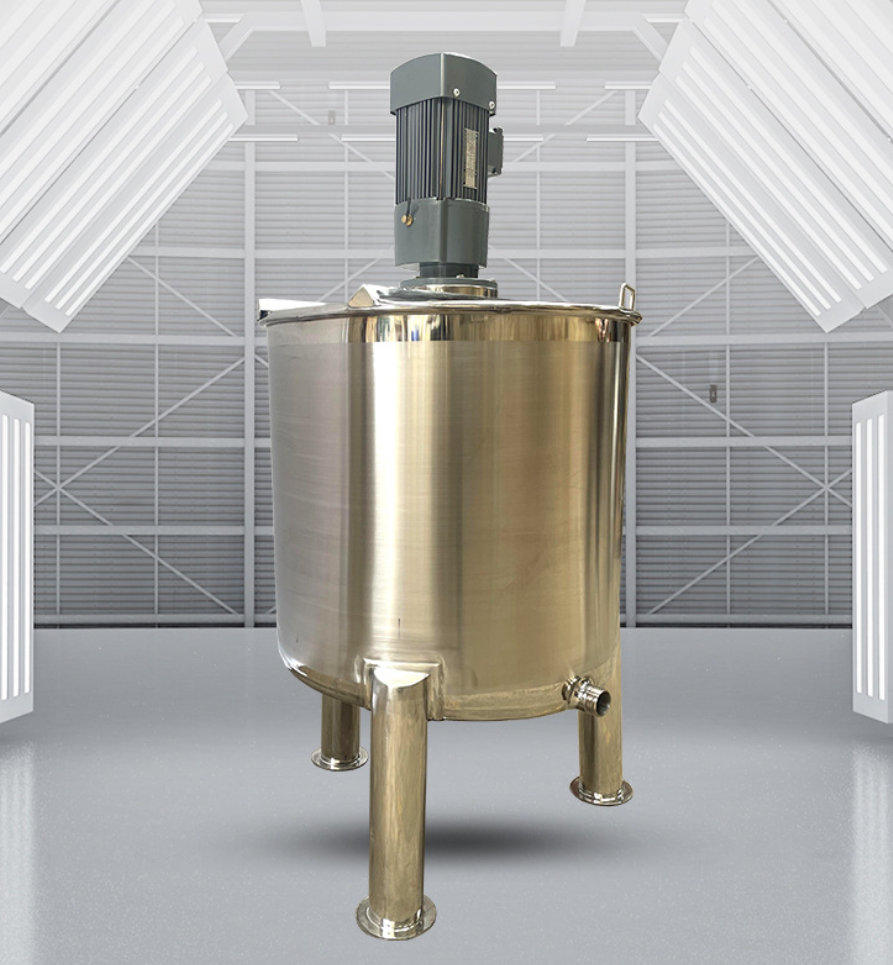
Stainless steel mixing tank, vacuum electric heating, chemical, pharmaceutical, food powder mixer, l
- What you mentioned is the stainless steel vacuum electric heating vertical reactor, which belongs to a multifunctional equipment that integrates stirring, vacuum, and electric heating functions. It is suitable for various processes such as mixing and reacting powders and liquids in the chemical, pharmaceutical, and food industries, and is the core equipment for mass production and process processing in these industries. The following is a detailed introduction:...
- 咨询热线:18052739825
-
产品详情
What you mentioned is the stainless steel vacuum electric heating vertical reactor, which belongs to a multifunctional equipment that integrates stirring, vacuum, and electric heating functions. It is suitable for various processes such as mixing and reacting powders and liquids in the chemical, pharmaceutical, and food industries, and is the core equipment for mass production and process processing in these industries. The following is a detailed introduction:
core structure
Specific description of structural components
The main body of the tank body is mostly made of 304 or 316L stainless steel, and the parts in contact with the material will be mechanically polished or mirror polished. The roughness can reach Ra ≤ 0.4um, which meets the GMP hygiene standards of the food and pharmaceutical industry. The tank body is often designed as a vertical structure, with a flange sealed or welded sealed tank cover. It can be equipped with process holes such as feed inlet, temperature measurement hole, sight glass, etc. Some parts are also equipped with manholes and CIP automatic cleaning devices for easy maintenance and cleaning.
The temperature control system is based on electric heating, and by installing electric heating rods inside the jacket, the heat transfer oil in the jacket is heated, and then the heat is transferred to the materials inside the tank, resulting in uniform heating without cold zones; Some models are also compatible with heating media such as hot water and steam. Equipped with both thermocouples and temperature controllers, the temperature control accuracy can reach up to ± 0.2 ℃, and the cooling function can be achieved by introducing cooling water through the jacket.
The mixing component is equipped with different mixers according to the characteristics of the material, such as anchor and frame mixers for handling high viscosity materials, turbine mixers for low viscosity liquids, and push mixers for powder and liquid mixing. Some high-end models use strong magnetic coupling mixers to solve the problem of leakage in traditional seals and ensure material purity.
A vacuum interface is reserved on the top of the vacuum and sealing system tank, which can be connected to a vacuum pump to reduce the pressure inside the tank to below -0.09MPa, meeting the requirements of processes such as vacuum defoaming and vacuum distillation. The shaft seal adopts sanitary design such as mechanical seal and magnetic seal to prevent external air from entering and material leakage, avoiding pollution.
Core functions and advantages
Multi functional integration: capable of synchronously completing processes such as stirring, heating, and vacuum. For example, in the food industry, powder raw materials can be mixed and emulsified with liquids, and vacuum defoaming can be achieved. In the pharmaceutical industry, drug concentration and ingredient mixing can be completed in a vacuum environment without the need for multiple equipment to cooperate, simplifying the production process.
Compatible with multiple types of materials: It can handle the mixing of food additive powders and liquids, as well as high-purity drug reactions in the pharmaceutical industry, and can also adapt to corrosive material reactions in the chemical industry. The flexible selection of mixers allows the equipment to mix low viscosity liquids and handle high viscosity slurries that are prone to clumping.
Outstanding safety and cleanliness: Stainless steel material is corrosion-resistant and easy to clean, meeting the hygiene requirements of the food and pharmaceutical industries; Equipped with pressure gauges, safety valves, and other devices to automatically release pressure in case of overpressure. Some models adopt static sealing design, with no risk of leakage, especially suitable for the processing of flammable, highly toxic and other hazardous chemical materials.
Typical application scenarios
In the field of chemical engineering, it is used for polymerization and condensation reactions of fine chemical products, such as raw material mixing and vacuum degassing in resin preparation, stirring and dispersing pigment powder and solvent to avoid bubbles and impurities affecting product quality.
In the pharmaceutical field, it is suitable for processes such as drug formulation and ointment preparation, such as mixing and stirring drug powder with matrix liquid, reacting in a vacuum environment, preventing drug oxidation, ensuring drug efficacy, and meeting the sterile requirements of the pharmaceutical industry.
In the food industry, it can be used for the production of chocolate sauce, cheese, syrup, etc., to achieve uniform mixing of powdered raw materials such as sugar with liquids such as oil and water. The taste of food is improved by vacuum defoaming, and the heating function can assist in material dissolution and sterilization.
Common specifications and selection points
Common specifications: Large capacity span, laboratory models can be as small as tens of liters, and industrial production models range from 50L to 10000L. For example, the motor power of the 50L model is about 0.55KW, and the motor power of the 10000L model can reach 15KW. The mixing speed is mostly between 0-150r/min, and can be adapted to different processes through variable frequency speed regulation.
Selection points: 316L stainless steel material is preferred for contact with corrosive materials; High viscosity materials paired with anchor or frame mixers; The pharmaceutical and food industries need to confirm whether the equipment complies with GMP standards; If vacuum reaction is involved, attention should be paid to whether the vacuum degree and sealing performance of the equipment meet the standards.