18052739825
免费咨询热线
18052739825The process of slaughtering and processing pigs will produce high concentration wastewater containing blood stains, oil, suspended solids, and organic matter. If directly discharged, it will seriously pollute the environment. The sewage treatment equipment for pig slaughtering and processing, which is around 800 words long, is a specialized treatment equipment developed for the characteristics of wastewater in this industry. It has the ability to efficiently purify, meet emission standards, and recover resources.
The equipment core adopts a stepped process architecture of "pre-processing+biochemical treatment+deep treatment". In the pretreatment stage, triple filtration is carried out through a grid, an oil separation tank, and an air flotation device. The grid intercepts large particle impurities such as pig hair and visceral residue, while the oil separation tank separates floating oil and emulsified oil (with a recovery rate of over 85%, which can be reused). The air flotation device removes fine suspended solids through microbubble adsorption, resulting in a wastewater suspended solids removal rate of over 90%, reducing the burden on subsequent treatment.
Biochemical treatment is the core of purification, and the mainstream adopts a combination of anaerobic and aerobic processes. Anaerobic reactors utilize anaerobic bacteria to decompose high concentration organic matter in a closed environment, converting large molecule pollutants into biogas (which can be used as energy recovery), with a COD removal rate of 60% -70%; The subsequent aerobic tank uses aeration to supply oxygen, allowing aerobic microorganisms to further degrade residual organic matter, while nitrification removes ammonia nitrogen, resulting in a significant decrease in core indicators such as COD and ammonia nitrogen in the wastewater, adapting to the high organic matter and high ammonia nitrogen water quality characteristics of slaughter wastewater.
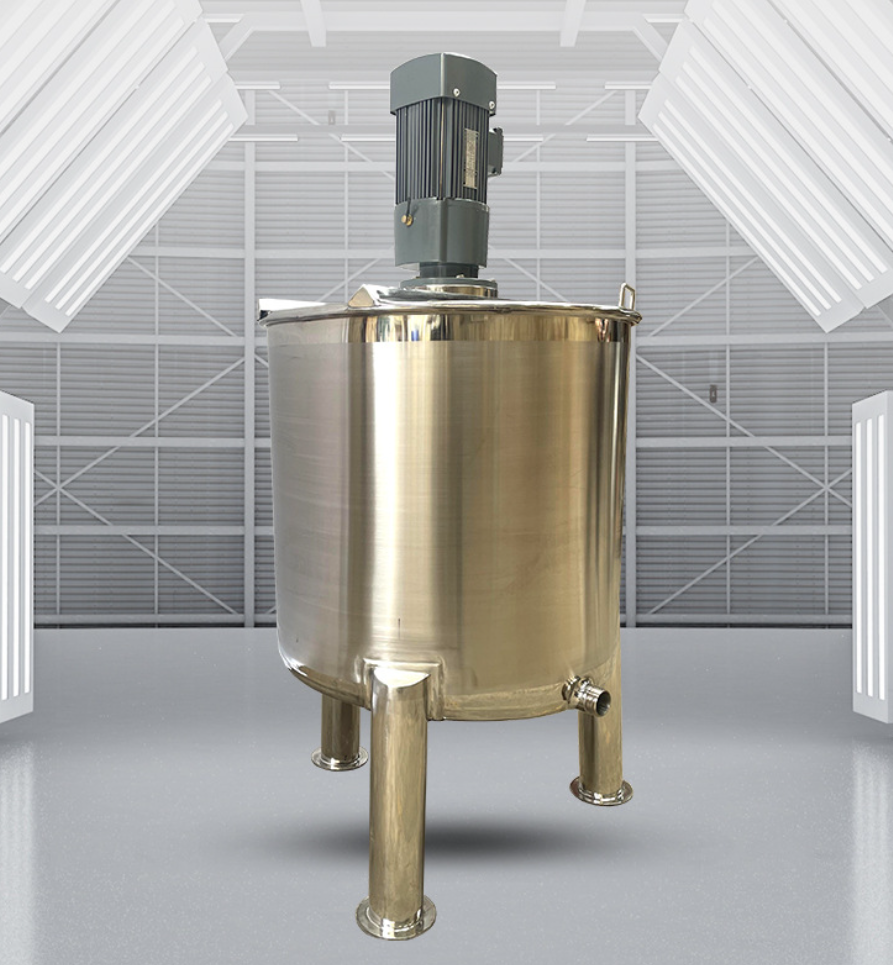
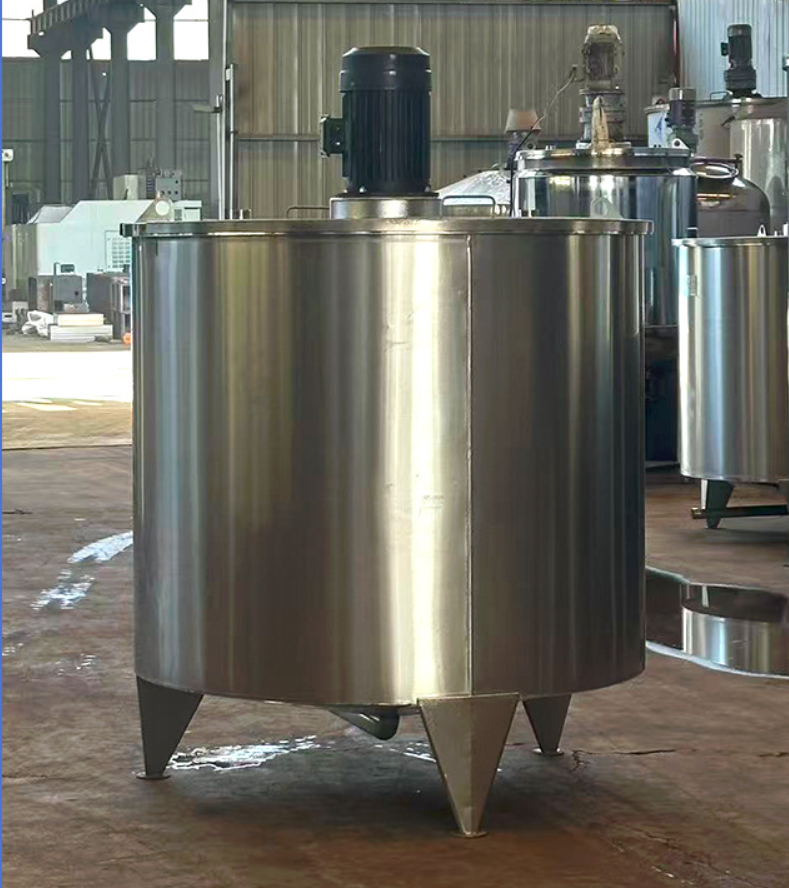
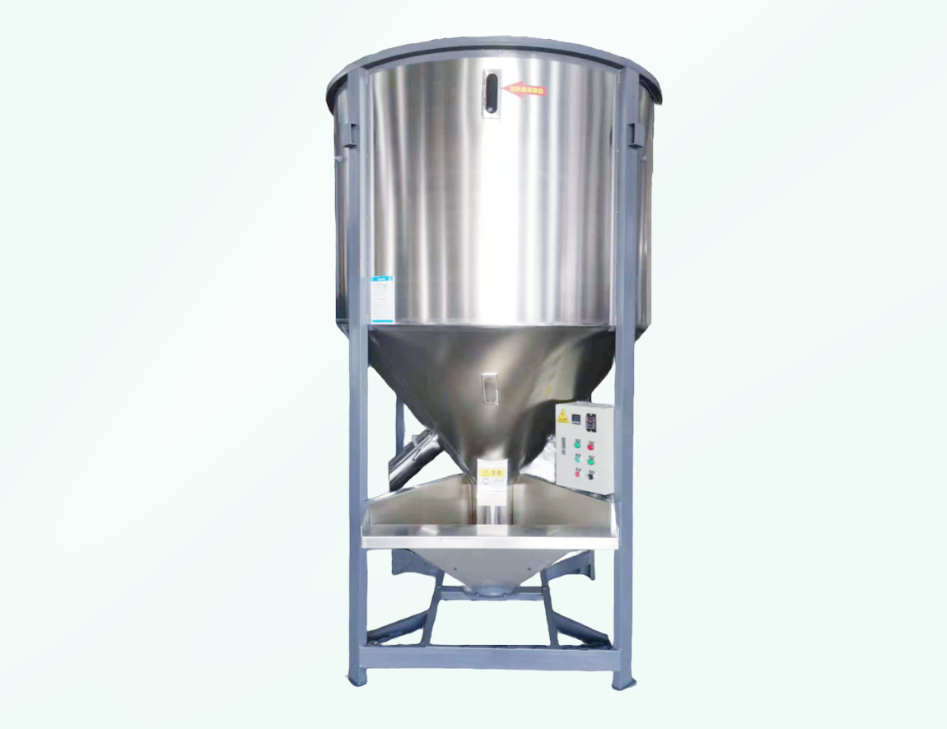
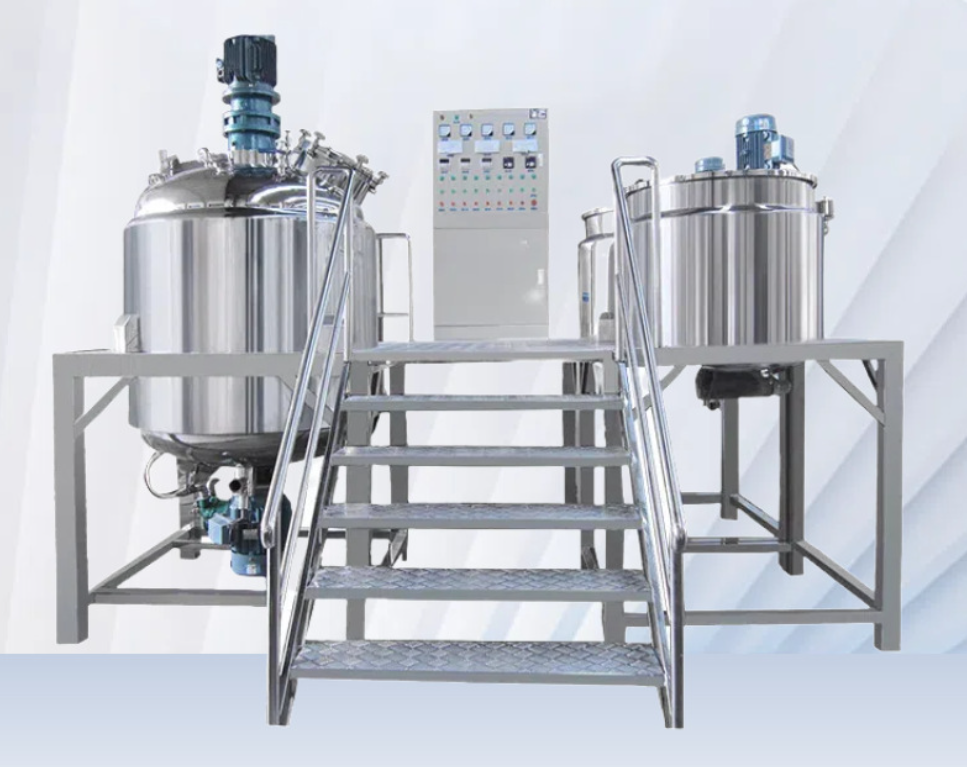
Sewage treatment equipment
The deep processing unit ensures emission standards and adopts sedimentation tank+disinfection process. The sedimentation tank removes sludge generated during the biochemical stage through gravity settling, and the sludge can be dehydrated to produce organic fertilizer raw materials; The disinfection process uses sodium hypochlorite or ultraviolet disinfection to thoroughly kill pathogenic microorganisms such as Escherichia coli in the wastewater, ensuring that the effluent meets the "Discharge Standards for Water Pollutants in Meat Processing Industry".
The equipment combines the advantages of intelligence and practicality: equipped with a PLC control system, it can monitor water quality, flow rate and other parameters in real time, automatically adjust aeration, dosing and other processes, and reduce manual operation intensity; The body is made of anti-corrosion steel, suitable for the highly corrosive environment of slaughter wastewater, extending the service life of the equipment to 8-10 years; The modular design allows for flexible expansion according to the slaughter scale, adapting to the needs of medium-sized slaughterhouses with a daily processing capacity of around 800 tons.
In addition, the equipment is synchronized with the sludge treatment system to achieve solid-liquid separation and resource recycling; Some upgraded models can add a reclaimed water reuse module, and the treated water quality can meet the standards of green irrigation or production flushing, helping slaughter enterprises save water and reduce consumption. This equipment not only solves the problem of slaughter wastewater pollution, but also enhances the economic benefits of enterprises through resource recovery, making it a key equipment for the green transformation of the pig slaughter industry.

Copyright © 2021 depengseo 版权所有(https://en.688b2b.com) 备案号:苏ICP备11090668号