18052739825
免费咨询热线
18052739825MBR membrane bioreactor is an efficient wastewater treatment technology that combines membrane separation technology with traditional activated sludge process. It replaces the secondary sedimentation tank with membrane components to achieve solid-liquid separation. With the advantages of high pollutant removal rate and small footprint, it is widely used in municipal wastewater, industrial wastewater treatment, and recycled water reuse.
Its core consists of two parts: a biological reaction tank and a membrane module. In the bioreactor tank, the microbial community in activated sludge degrades pollutants such as organic matter, nitrogen, and phosphorus in wastewater through assimilation and metabolism; Membrane modules (mainly hollow fiber membranes) intercept activated sludge flocs and large organic molecules, allowing the effluent to be clarified directly. Compared with traditional processes, MBR can increase the sludge concentration to 8000-12000mg/L, far exceeding the traditional process's 2000-4000mg/L. The high sludge concentration enhances the microbial degradation ability, especially for the removal of difficult to degrade organic matter.
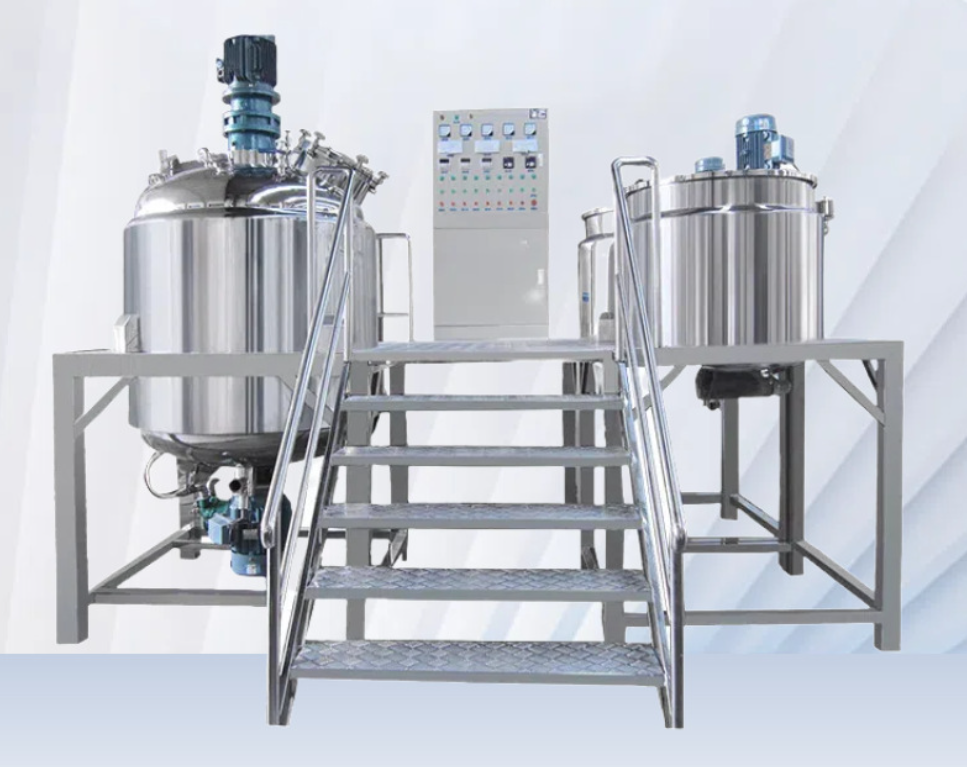
MBR membrane bioreactor
The outstanding advantages of MBR are reflected in multiple aspects. The effluent quality is excellent, with turbidity usually below 0.5NTU and COD and BOD5 removal rates of over 90% and 95% respectively. It can be directly used as recycled water for greening, flushing, etc; Occupying only 1/3-1/2 of traditional craftsmanship, it is suitable for tight land use scenarios such as urban core areas; The sludge age is long (up to 30-100 days), and the remaining sludge production is reduced by more than 50% compared to traditional processes, reducing the cost of sludge disposal; The degree of automation in operation is high, and the backwashing and chemical cleaning of membrane components can be programmed and controlled, reducing manual intervention.
In terms of application scenarios, MBR can achieve sewage resource utilization in the field of municipal sewage, such as the large-scale adoption of recycled water plants in cities such as Beijing and Shenzhen; In the field of industrial wastewater, MBR can tolerate high concentrations of pollutants and ensure that the effluent meets the standards for wastewater from industries such as chemical and food processing; In decentralized sewage treatment, small-scale MBR equipment can be adapted to scenarios such as villages and towns, highway service areas, etc., to solve the problem of centralized treatment.
Operation and maintenance should pay attention to membrane fouling prevention and control, which is the core pain point of MBR applications. Membrane fouling is caused by sludge floc adsorption, microbial extracellular polymer deposition, etc. It needs to be alleviated by controlling sludge concentration, regular backwashing (with clean water or air), and periodic chemical cleaning (with sodium hypochlorite, citric acid, and other agents) to extend membrane life (usually 3-5 years).
In the future, MBR technology will develop towards low energy consumption and high anti pollution direction. The research and development of new anti pollution membrane materials (such as graphene modified membranes) and energy-saving aeration technology will further reduce operating costs and promote their more critical role in water resource recycling.

Copyright © 2021 depengseo 版权所有(https://en.688b2b.com) 备案号:苏ICP备11090668号