18052739825
免费咨询热线
18052739825In pharmaceutical-grade chemical production, the purity of products and the uniformity of reactions are highly demanding. Traditional stirring equipment often struggles to meet these stringent conditions, leading to unstable product quality and low production efficiency. The emergence of pharmaceutical-grade mixers is precisely to address this pain point. By precisely controlling stirring speed, temperature, and mixing uniformity, they ensure the production quality of pharmaceutical-grade products.
Core Part 1: Working Principle and Technical Analysis (Core)
Working principle
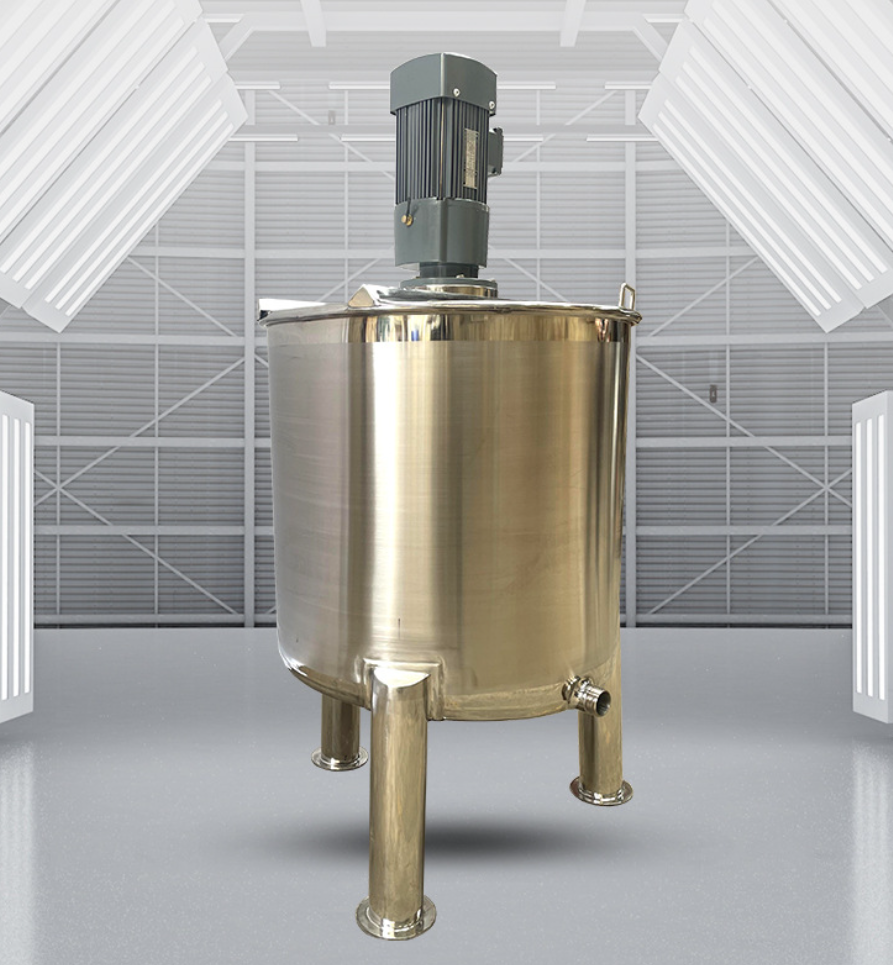
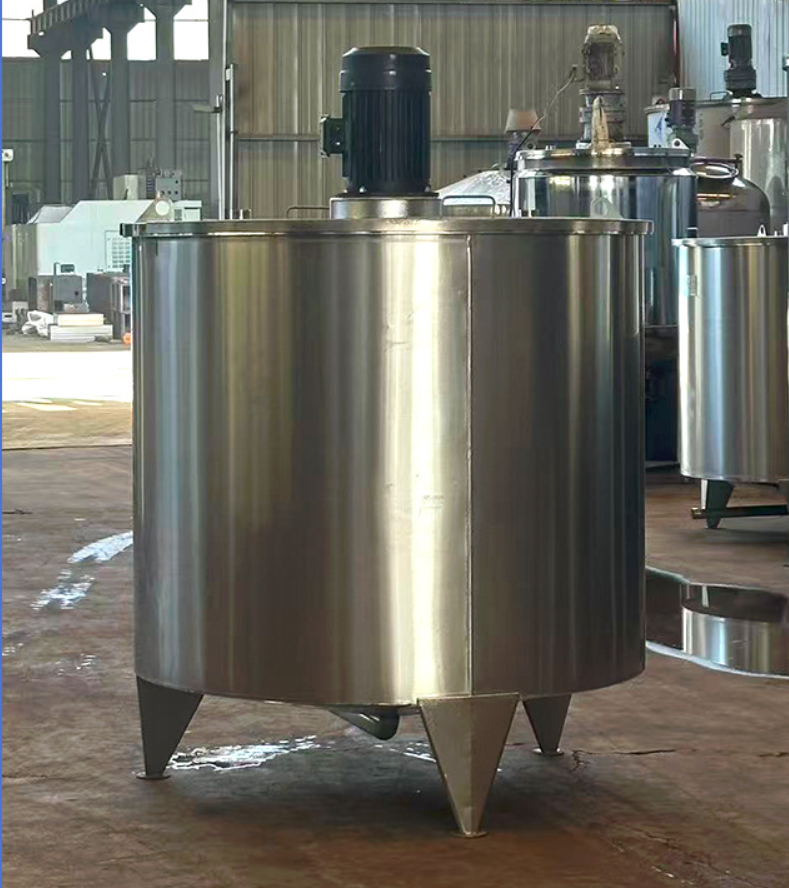
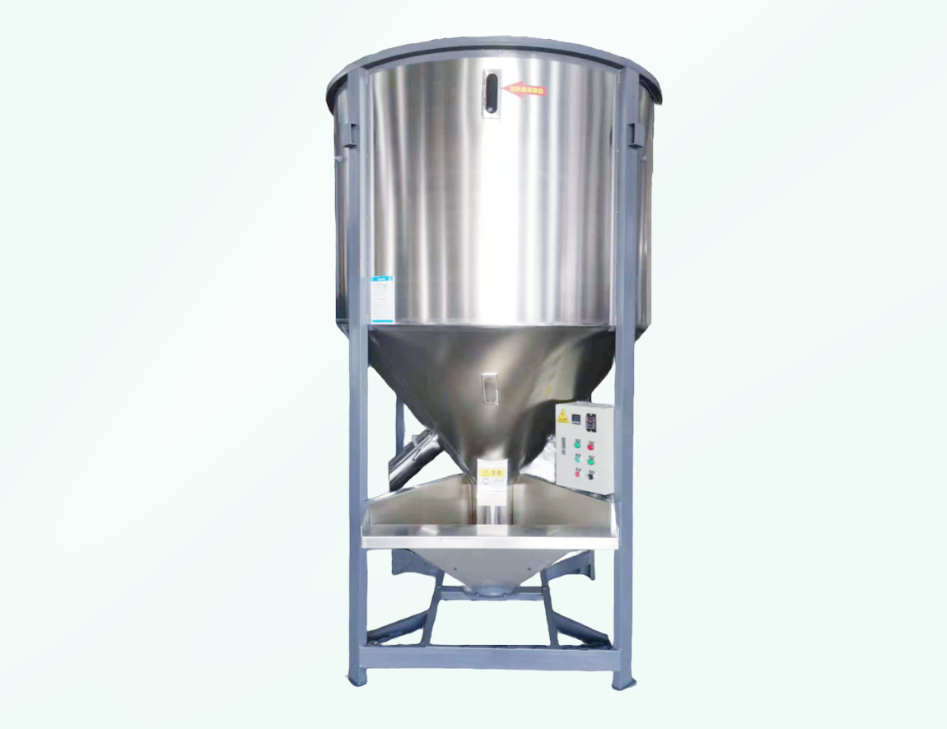
The pharmaceutical-grade mixer, based on fluid mechanics principles, achieves material mixing by rotating the mixing blades within the container through motor drive. Its core design philosophy lies in ensuring sufficient material contact during the mixing process, while reducing the generation of bubbles and avoiding contamination.
Technical analysis
Stirring blade design: Special materials and high-precision machining are employed to ensure a smooth surface on the stirring blade, reducing material adhesion and contamination.
Speed and temperature control: Equipped with a high-precision speed and temperature control system, it achieves precise mixing speed and temperature regulation, ensuring stable reaction conditions.
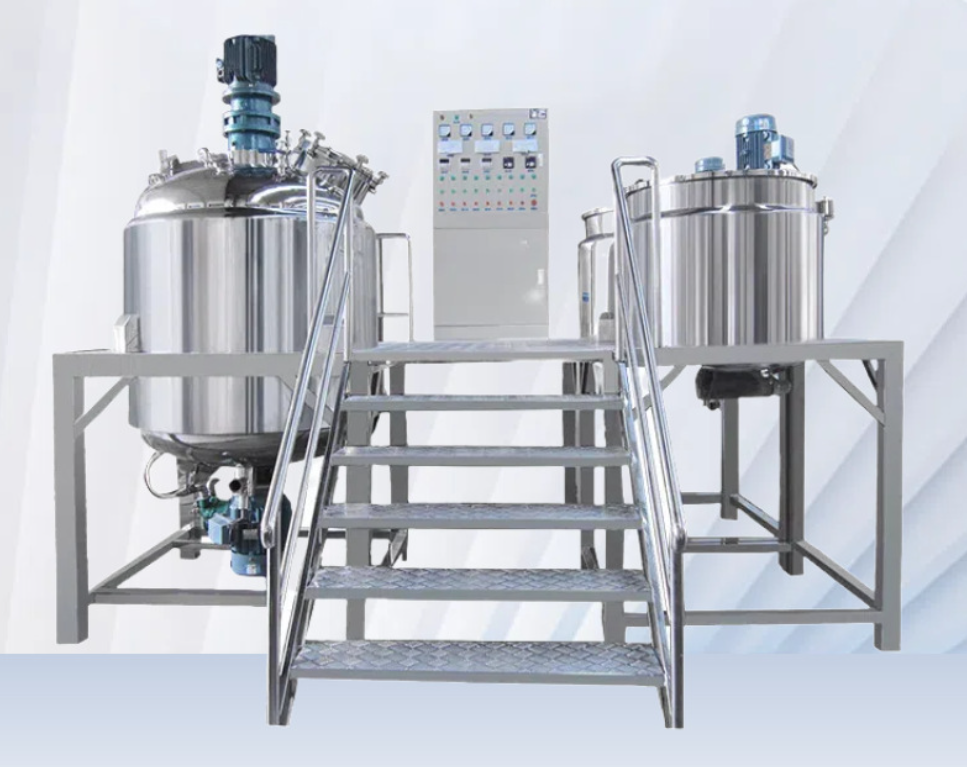
Automation control: Integrate an automated control system to achieve automated operation of the mixing process, thereby enhancing production efficiency and safety.
Core Part 2: Functional Operations and Key Control Points (Practical)
Main functions
Precision mixing: Ensure uniform mixing of materials to improve product quality.
Temperature control: Maintain a stable reaction temperature to ensure the effectiveness of the reaction.
Safe operation: Equipped with safety features such as overload protection and emergency stop.
Key control points
Stirring speed: Adjust the stirring speed according to the material characteristics and reaction requirements to ensure the mixing effect.
Temperature control: Monitor and adjust the reaction temperature in real-time to prevent overheating or temperature fluctuations.
Safety operation guidelines: Strictly adhere to the operating procedures to ensure the safety of personnel and equipment.
Core Section 3: Industry Applications and Future Outlook (Trends)
Industry applications
Pharmaceutical-grade mixers are widely used in fields such as pharmaceuticals, biochemical engineering, and fine chemicals, specifically in the production of products like antibiotics, vitamins, and hormones.
Future outlook
Intelligentization: By integrating Internet of Things (IoT) and big data technology, intelligent control of the mixing process is achieved, thereby enhancing production efficiency and product quality.
Greenification: Adopting environmentally friendly materials and energy-saving designs to reduce energy consumption and environmental pollution.
Localization substitution: With the continuous advancement of technology, domestically produced pharmaceutical-grade mixers will compete with international brands in terms of performance and reliability, driving the localization process of the industry.
Conclusion (Summary and Sublimation)
As a key equipment in fine chemical production, the pharmaceutical-grade mixer is of great significance for enhancing the quality of pharmaceutical products and promoting green development in the industry due to its precision, safety, and efficiency. With continuous technological advancements, pharmaceutical-grade mixers will play an even greater role in the future, aiding the chemical industry in achieving high-quality development.

Copyright © 2021 depengseo 版权所有(https://en.688b2b.com) 备案号:苏ICP备11090668号