18052739825
免费咨询热线
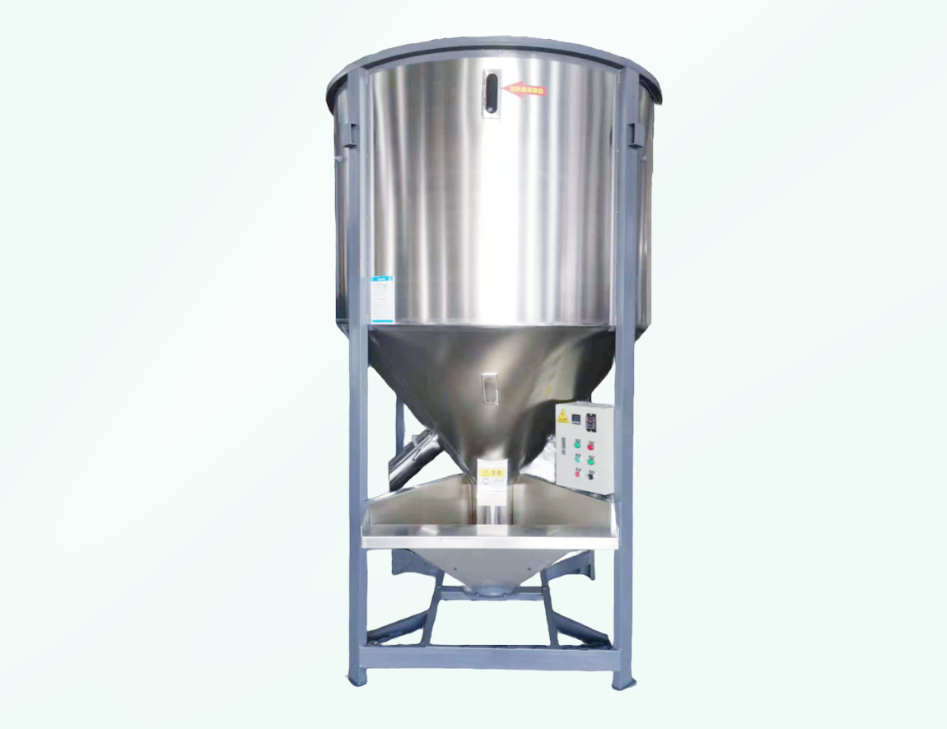
18052739825Improving the mixing efficiency of vertical mixers is an important means to enhance production efficiency, reduce costs, and ensure product quality. Here are some effective methods:
1、 Optimize the structure design of the mixer
Choose the appropriate blade shape: Different materials and processes require blades of different shapes. For example, radial flow blades are suitable for high viscosity materials, while axial flow blades are more suitable for low viscosity materials. By conducting experiments and simulations, selecting the most suitable blade shape can significantly improve stirring efficiency.
Adjusting blade size: The size of the blades directly affects the mixing effect. Excessively large blades may cause excessive material shearing, while excessively small blades may not provide sufficient stirring force. Therefore, it is crucial to choose blade size reasonably based on material characteristics and container size.
Optimizing the speed of the mixing shaft: The speed of the mixing shaft is one of the key factors affecting the mixing efficiency. Excessive or insufficient rotational speed is not conducive to material mixing. By conducting experiments to determine the optimal speed range and using variable frequency speed regulation technology to achieve precise control, the mixing efficiency can be improved.
2、 Improve material properties
Pre treated materials: For materials with high viscosity or containing solid particles, pre-treatment (such as heating, crushing, etc.) can be used to reduce their viscosity or improve their flowability, thereby increasing mixing efficiency.
Choosing the appropriate solvent or additive: In some cases, adding an appropriate amount of solvent or additive can improve the flowability and mixing of materials, thereby increasing stirring efficiency.
3、 Optimize operating conditions
Control mixing time: Too short mixing time may lead to uneven mixing of materials, while too long mixing time may increase energy consumption and costs. By conducting experiments to determine the optimal mixing time and using timed control technology to achieve precise control, the mixing efficiency can be improved.
Adjusting temperature and pressure: Appropriate temperature and pressure can promote the flow and mixing of materials, and improve mixing efficiency. By conducting experiments to determine the optimal temperature and pressure range, and using temperature and pressure control techniques to achieve precise control, this goal can be achieved.
4、 Regular maintenance and upkeep
Cleaning equipment: Regularly cleaning the vertical mixer and its accessories to remove residues and dirt can maintain the normal operation of the equipment and improve mixing efficiency.
Check and replace vulnerable parts: Regularly inspect the wear of vulnerable parts such as blades and bearings of the mixer, and replace damaged components in a timely manner to avoid a decrease in mixing efficiency caused by equipment failure.
Lubrication and maintenance: Regular lubrication and maintenance of the moving parts of the vertical mixer can reduce frictional resistance and improve equipment operating efficiency.
In summary, improving the mixing efficiency of a vertical mixer requires starting from multiple aspects, including optimizing the mixer structure design, improving material characteristics, optimizing operating conditions, and regular maintenance and upkeep. By comprehensively applying these methods, the mixing efficiency of vertical mixers can be effectively improved, creating greater economic benefits for enterprises.

Copyright © 2021 depengseo 版权所有(https://en.688b2b.com) 备案号:苏ICP备11090668号